



Study and live in Wellington
Wellington combines culture, cafés and a harbour-side centre. Compare English courses, neighbourhoods and transport to prepare your experience in New Zealand’s capital with Nōmadas.


Context for your decision
What is it like to live and study in Wellington?
Wellington is at the southern tip of the North Island. Its centre combines classes, waterfront walks and cultural activities, while hills shape many everyday journeys.
The region includes towns connected by train or bus. Do not confuse a Wellington campus with one in Lower Hutt: check the address and location of the programme you are offered.
It may suit you if you want a city with cultural life and a centre close to the harbour.
Compare your study options →
Choose with clear goals
What you can study in Wellington
General English
Compare courses that fit your level and availability. English Teaching College publishes international programmes in Wellington.
Exams and academic goals
If you need an examination or want to progress to further study, confirm available preparation and entry requirements.
English by level
Ask about progression and certificate options. The programme level and admission requirements should match your situation.
| Your goal | What to compare | What to confirm |
|---|---|---|
| Communicate more confidently | General language and conversation | Level, class size and timetable |
| Take an examination | Targeted preparation | Minimum level, examination date and fee |
| Continue your studies | Academic programme and entry requirements | Admission, qualification and immigration conditions |
Plan the steps
Requirements for studying in Wellington
STEP 01
Course and admission
Confirm acceptance by the school and that the programme fits your level, goal and dates. Keep the acceptance letter and cost breakdown.
STEP 02
Study authorisation
Check the right visa for your nationality, duration and course. For a student visa, review the offer of place and the documents requested by Immigration New Zealand.
STEP 03
Funds and insurance
Prepare the required financial evidence and suitable health cover. Your living budget and the amount required for immigration purposes are different things.
STEP 04
Arrival and accommodation
Arrange your airport transfer and confirm how you will receive the keys. Keep a rainproof, wind-resistant layer handy when leaving the terminal.
Check the official requirements for New Zealand and continue planning with our guide to studying in New Zealand.
Plan in New Zealand dollars · NZD
How much does it cost to study and live in Wellington?
The total depends on your programme, accommodation and duration. Compare the full cost and payment schedule; request a proposal for your dates and campus.
Course: published example
NZD 470 / week
ETC full-time study of 25 hours per week for 1–12 weeks in its 2026 international fees. A NZD 275 registration fee is additional; confirm the class and location.
Accommodation and meals
Depends on the arrangement
Compare the property’s condition, heating, ventilation and journey to campus. An apparently close address may involve a hill or a transfer.
Utilities and phone
Check what is included
Check electricity, heating, water, internet and mobile data. If they are included in your accommodation, do not count them twice.
Transport
Depends on your route
If you study in Wellington and live in another town in the region, calculate the full journey and possible service changes.
Everyday life
Your weekly spending
Separate groceries, eating out, laundry and leisure. In a homestay, confirm which meals are covered each day of the week.
Arrival and unexpected expenses
A separate fund
Include flights, insurance, fees, transfers, accommodation deposits and initial expenses. Keep a buffer available before travelling.
2026 reference checked on 15 October: English Teaching College · 2026 fees. This is an example from one provider, subject to change and availability; it is not a city average or a Nōmadas quote.
Separate study and work permission
Working while studying in Wellington
Some student visas allow up to 25 hours of work per week during classes. For English courses, eligibility depends on the provider and duration. Check the written conditions of your visa before accepting work.
Permission to work does not guarantee a job. Prepare your initial budget without relying on income you do not yet have.
See official work conditions →Campus first, address second
How to choose accommodation in Wellington
Compare the property’s condition, heating, ventilation and journey to campus. An apparently close address may involve a hill or a transfer.
1
Locate your campus
Compare exact addresses and class timetables.
2
Try the journey
Check both journeys on a class day, including walks and transfers.
3
Read the contract
Confirm the deposit, duration, bills, visitors and cancellation terms.
4
Verify the offer
Verify the accommodation, identity and terms before transferring money.
Compare areas as well as prices
Neighbourhoods and areas of Wellington
1 · AREA
Te Aro
Combines shopping and culture near the centre. Compare noise and the distance to campus.
2 · AREA
Wellington Central
May make it easier to live near services and transport. Check accommodation terms and the walking route.
3 · AREA
Kelburn
The hill adds slopes to your planning. Check connections and the actual journey to school.
4 · AREA
Newtown
A neighbourhood alternative south of the centre. Compare buses and travel time from your address.
These are starting points for comparing journeys and lifestyles, not a ranking of neighbourhoods by safety or price.
Getting around the city
Metlink: bus, train and ferry
Metlink provides information on Wellington region buses, trains and ferries. Check routes, service notices, zone fares and accepted payment methods.
Official routes, fares and notices →Your daily journey
A tip for Wellington
If you study in Wellington and live in another town in the region, calculate the full journey and possible service changes.
- 1Accommodation address
- 2Actual start and finish times
- 3Campus, transfers and return journey
A packing tip
Climate in Wellington: prepare your trip
Wellington is known for wind and changing weather that can affect walks. A waterproof, wind-resistant layer is often more practical than relying only on an umbrella.
Summer
December–February
14–20 °C
Autumn
March–May
10–18 °C
Winter
June–August
6–12 °C
Spring
September–November
9–16 °C
Seasonal ranges published by Tourism New Zealand are indicative. They are not a forecast and do not describe high mountain conditions.
Source: Tourism New Zealand · seasons and temperatures →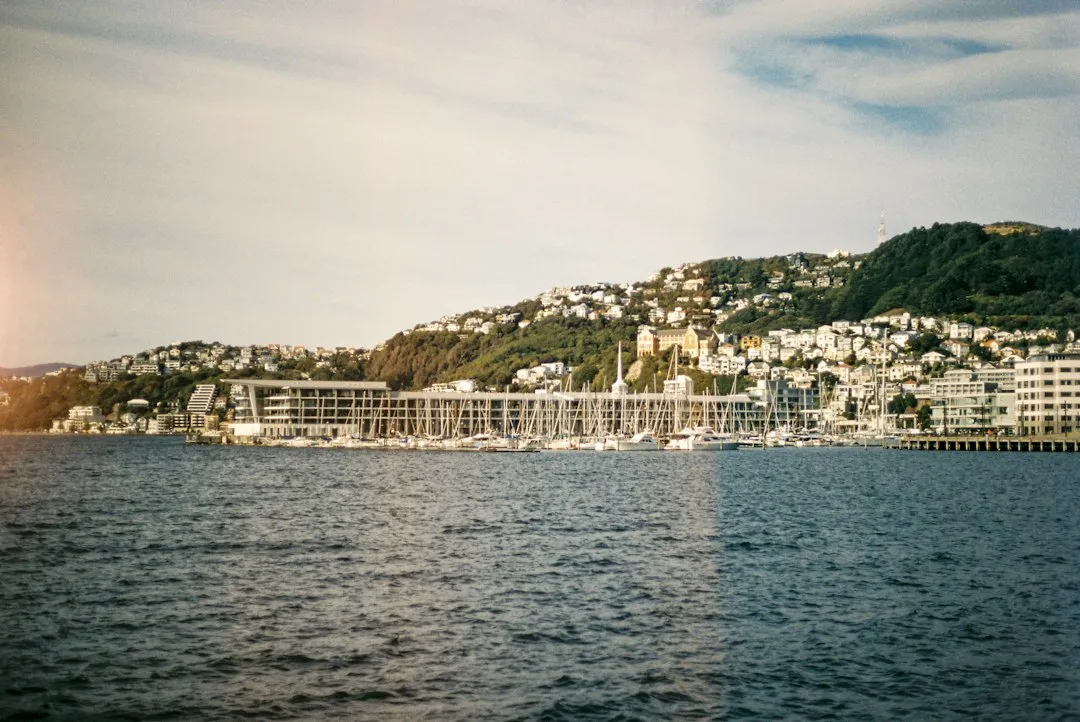
One city, different plans
Life after class in Wellington
1 · LOCAL LIFE
Cafés and Te Aro
Coffee culture can be part of your after-class walks without turning every outing into a major plan.
2 · LOCAL LIFE
The waterfront
The harbour walkway connects different urban spaces. Adjust the route to the wind and your available time.
3 · LOCAL LIFE
Museums and culture
Te Papa and local cultural events are starting points for discovering New Zealand from the city. Check exhibitions and visitor arrangements.
Ideas for your free time
Things to do in Wellington and nearby
Kelburn and the Cable Car
Combine views and a walk, checking service times and fares.
Zealandia
Plan your ecosanctuary visit around opening hours, admission and rules.
Viewpoints and coast
Choose routes suited to your experience and check the forecast, especially on windy days.
Plan trips around your days off, weather and transport. Check access and reservations with WellingtonNZ · visits and things to do.
Useful steps before travelling
Your arrival in Wellington

Keep essentials handy
Keep travel documents, your accommodation address and the school’s contact details available offline.

Arrange your first night
Arrange your airport transfer and confirm how you will receive the keys. Keep a rainproof, wind-resistant layer handy when leaving the terminal.
Try the route in advance
Before your first day, check how to get to campus and where to buy essentials. Ask about your school’s welcome activities.
Keep researching
Wellington or another city in New Zealand?
Start with the general guide to New Zealand and compare these cities based on your studies and lifestyle.
Studying in Auckland
It may suit you if you want to study English in an urban setting and spend some of your free time by the sea.
Explore the guide →Studying in Christchurch
It may suit you if you want a South Island city with parks, student life and activities around Canterbury.
Explore the guide →Studying in Nelson
It may suit you if you prefer a smaller city and a study routine close to nature.
Explore the guide →A practical comparison for studying in Wellington
Start with the route you would use each day
Compare your exact campus and accommodation addresses, distinguishing Wellington from other locations in the region. A programme in Lower Hutt is not the same daily journey as one in the central city. Hills and the walking sections matter alongside the distance shown on a map.
Use the same comparison period for both options. Record the accommodation cost, what bills or meals it includes and the date you can move in. Then add the travel cost and the time needed from the door of the accommodation to the classroom, including any walking, waiting or transfers.
Build two realistic weekday examples
For each address, check a journey arriving before class and another leaving after your actual finish time. If a route depends on a connection, identify what happens when you miss it. Consult the operator linked in the transport section for current timetables instead of treating an estimated journey as a promise.
Include the parts of daily life that matter to you: buying groceries, doing laundry, studying outside class and getting home after an activity. The cheapest room may still be suitable, but you need the complete picture before deciding that its weekly rent makes it the better option.
Keep preferences separate from confirmed arrangements
Write down why you prefer one option and what still needs confirmation from the school or accommodation provider. A neighbourhood description does not confirm a room, and a course enquiry does not establish your campus or timetable. Keep the relevant written confirmations together.
This is a planning exercise, not a quotation or a claim that one neighbourhood is better for every student. Replace estimates with confirmed details as your project develops, and review the comparison if the campus, dates or accommodation change.
Use the first week to test your plan
Before committing to a longer routine, list the practical questions you can check during your first days: where classes begin, which entrance you should use, how you will travel and where to find the services you need. Keep these tasks separate from optional sightseeing. A city guide can help you prepare, but your confirmed campus and accommodation determine the details of your own arrival.
Prepare one normal class day on paper, starting when you leave the accommodation and ending when you return. Include time for meals and independent study. Then consider a day with an activity after class. The exercise shows whether your expectations rely on a connection, a late service or a journey you have not yet checked.
When comparing accommodation, write down the questions that cannot be answered from a neighbourhood description: the exact address, the available move-in date, the conditions of the booking and what is included. Ask the relevant provider about those points. A photograph or a general description of an area does not establish the terms of a particular room.
Finally, decide what you can keep flexible. You may want to explore different places before choosing a regular study spot or social activity. Keep the essentials confirmed and leave room to learn from the first days. If your course timetable or accommodation changes, revisit the practical comparison rather than relying on the route you planned for a different address.
Clear answers
Frequently asked questions about Wellington
Wellington or Auckland for studying English?
Wellington may appeal for its centre and cultural atmosphere; Auckland for a larger urban experience. Compare programmes and accommodation for the same dates.
Are Wellington and Lower Hutt the same campus?
No. They are different locations within the region. Confirm your course’s exact campus and the journey from your accommodation.
Can I get around Wellington on foot?
It depends on the neighbourhood and campus. Walking may be practical in the centre, but hills and weather can change the journey.
Can I work while studying in Wellington?
It depends on your course and the permission stated on your visa. If your visa still specifies 20 hours, the limit does not increase automatically: you must apply for the relevant variation.
How do I calculate my budget for Wellington?
Add course fees, accommodation, everyday expenses and arrival costs in NZD. Always compare the same number of weeks and check included meals, utilities and supplements. Do not rely on a future job to pay for the trip.
Is advice from Nōmadas free?
Yes, Nōmadas advice is free for students. School, accommodation, insurance, flights and fees have separate costs. Request a proposal detailing each item.
Your next step
Would you like to study in Wellington?
Tell us your language level, dates and what you would like to study. We help you compare available options and organise the cost of your experience.