
1
English: ELICOS
Build everyday communication skills, prepare for an exam or develop the language needed for further study.
Tell me moreYOUR EXPERIENCE STARTS HERE
A new country. A world of possibilities.
Compare English, vocational and university study in Australia. Explore eight cities and plan course fees, housing, entry requirements and support.
We help you choose your next step.

English, VET and universityAustralia
Budget in AUDAustralia
Eight city guidesAustralia
AUDMY PLAN
START WITH WHAT INSPIRES YOU
The right Australian study plan connects your current education and English level with a course you can use and a budget you can sustain. Choose the programme and the campus together, then organise the practical steps of applying and moving.
Build everyday communication skills, prepare for an exam or develop the language needed for further study.
Tell me moreExplore practical qualifications. Check each programme’s award, modules, assessments and placement arrangements.
Tell me moreCompare degrees and postgraduate options by curriculum, entry requirements, duration and campus.
Tell me moreEnglish language courses (ELICOS) can focus on general communication, academic preparation or an examination. Compare the entry level, timetable, teaching weeks, progress checks and the result you want to achieve. The number of weeks should respond to your starting point and objective.
Vocational education and training (VET) covers practical qualifications in different fields. Read the units, assessment methods and any practical requirements. A Certificate, Diploma and Advanced Diploma are not interchangeable labels; compare what the qualification teaches and how it relates to your previous study.
Higher education includes undergraduate and postgraduate options. Check academic admission, English evidence, the actual campus and total duration. If you are considering a pathway or more than one course, confirm both academic progression and the immigration arrangements that apply to your case.
PICTURE YOURSELF HERE
Your city is part of the experience. Explore its neighbourhoods, pace and everyday life.
↔ Swipe to explore the cities
South AustraliaExplore the city guide
 Queensland
Explore the city guide
 New South Wales
Explore the city guide
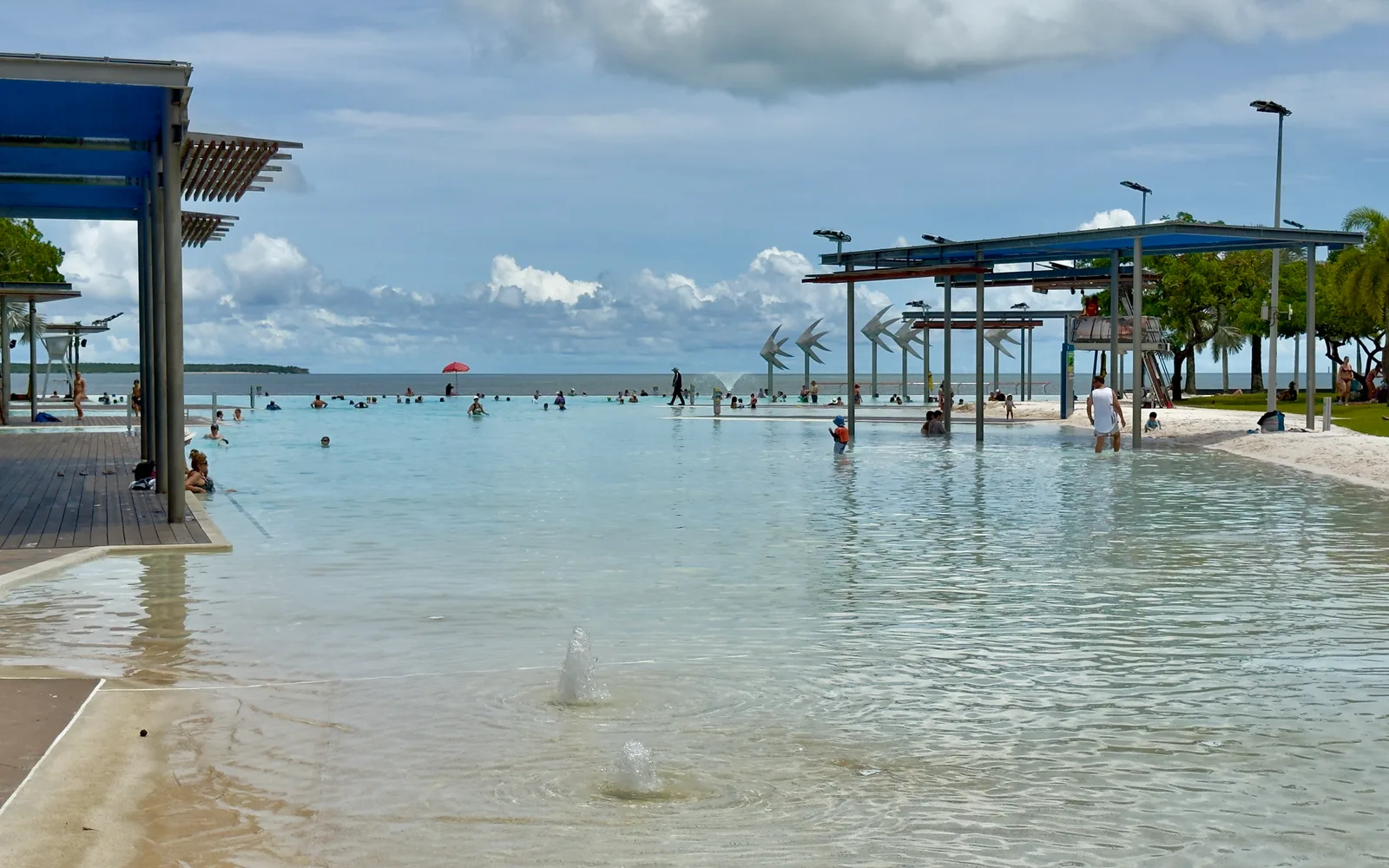 Queensland
Explore the city guide
 Queensland
Explore the city guide
 Victoria
Explore the city guide
 Western Australia
Explore the city guide
 New South Wales
Explore the city guide
Melbourne, Sydney, Gold Coast, Brisbane, Perth, Adelaide, Byron Bay and Cairns offer different combinations of study, neighbourhoods and daily life. Start with the course and campus available to you, then compare the commute and realistic housing options.
Our city guides below cover study choices, neighbourhoods, budgets, transport, weather and arrival tips. Think about a normal weekday: class times, shopping, study time and getting home. A city should fit that routine as well as the places you hope to visit.
PUT YOUR PLAN INTO NUMBERS
Course fees are only one part. Make room for everything your experience will need.
Plan my budgetEach proposal depends on the programme, city and duration.
Tuition, enrolment, materials and programme fees.
Housing, food, transport and utilities.
Flights, insurance, first nights and airport travel.
An emergency reserve and a payment calendar.
A complete budget, before you take off.
Your quote should identify tuition, application or enrolment charges, materials, equipment and any examination costs. Compare the total for the same duration and qualification, including what must be paid first and when later payments fall due.
Add housing, utilities, groceries, public transport, phone, insurance, flights and an arrival reserve. If a practical course needs equipment or clothing, include it before comparing offers. A cheaper course can still produce a more expensive overall plan if it requires a costly commute or different housing.
Use Australian dollars for the local budget and allow for exchange-rate and payment-transfer costs. Keep official financial evidence requirements separate from your own spending plan. Neither a weekly tuition price nor an official minimum tells you the full amount you will personally spend.
STEP BY STEP
Academic admission and permission to study are different processes. Plan both around your own circumstances.
Check the campus, qualification and entry requirements.
Prepare transcripts, language evidence and required translations.
Separate the cost of the experience from official evidence of funds.
Check the official instructions that apply to your situation.
For study on an Australian Student visa, use a course and provider registered for overseas students. Check the actual CRICOS course and location, not only the school brand. The offer should identify what you are buying: programme, campus, dates and fees.
Admission requirements vary by qualification and provider. Ask which academic records, English tests, translations or other evidence you need. An English placement assessment and the language evidence required for another programme may serve different purposes.
When comparing institutions, ask who will teach you, what student support is available and how assessments are organised. Read the written agreement and the refund and cancellation conditions before accepting.
MAKE AN INFORMED CHOICE
Student work rights have conditions. Check the current government guidance and the conditions attached to your own visa, including when work may begin, the applicable limits and how scheduled breaks are treated.
Check the official sourceStudent work rights have conditions. Check the current government guidance and the conditions attached to your own visa, including when work may begin, the applicable limits and how scheduled breaks are treated.
Do not build the plan around immediately finding work or earning a particular wage. Your English, availability, experience and local job market all affect the search. Budget for the start of your stay without relying on a job you do not yet have.
A school course or an agency service is not an employment guarantee. Ask what practical job-search support is offered and distinguish it from an actual job placement.

YOU ARE HERE TO LIVE IT, TOO
Choose a neighbourhood, check the journey to campus and organise your first weeks. Small details make the start easier.
Compare the total room cost, included bills, deposit, lease terms and journey to campus. Verify the property and the person offering it before transferring money. A temporary first stay can give you time to inspect longer-term options.
Organise your airport journey, first address and orientation schedule. Keep your insurance and enrolment documents accessible. Plan essential tasks such as transport, a local phone connection and finding groceries without assuming that everything must be completed on the first day.
Academic admission does not guarantee a Student visa. Check the current official requirements for your nationality and circumstances, including the enrolment evidence, Genuine Student requirement, health cover and any other evidence requested for your application.
If you are already in Australia, do not assume that a further course, a change of provider or a change of visa follows the same process as an application from overseas. Review your current visa conditions and the official instructions before making a payment or travel plan.
Use the current government page for application charges and financial evidence amounts. Older fee tables can become misleading. If your circumstances require individual immigration advice, consult an appropriately authorised professional.
Discuss progression before the end of the current course. A later qualification should make academic sense and meet the admission conditions of the next provider. Do not assume that repeating a course or buying a package automatically supports a further visa.
Keep records of attendance, results and payments. If graduate work or another visa is part of a longer-term idea, check that route separately before treating it as a reason to enrol. Future eligibility and immigration decisions are not guaranteed by the course purchase.
FROM «ONE DAY» TO «LET’S PLAN IT»
Your education, language, dates and budget are the starting point.
Explore programmes and cities that fit your goals.
Understand the offer, enrolment, documents and deadlines.
Plan accommodation, insurance and useful contacts.
Start with your current education, language level, available budget and preferred start date. A useful shortlist contains a small number of courses you can explain and afford, with the actual campus and timetable attached. Ask for written answers when two offers appear to include different services.
Keep academic admission and immigration approval as separate steps. An institution can offer you a place without deciding your visa application. Give yourself room for language tests, translations, document requests and a change of intake. Avoid committing to non-refundable travel before you understand the conditions of your application.
Tell us what you want to learn, what you have studied before and how much you can allocate to the whole experience. We help you compare study options and organise the next steps with the institution. Ask your guide which services are included in your proposal, which are provided by a third party and which need a separate payment.
Support should make your decisions clearer. Request a complete quote, a payment calendar and an explanation of the documents you need. Neither admission, employment nor an immigration outcome should be treated as guaranteed. If your question requires individual immigration advice, use an appropriately authorised professional.
Use the country guide to build your overall plan and the city guides to compare everyday life. When you contact us, include your preferred language, intended course, approximate dates and budget. You do not need to have chosen everything before starting the conversation.
LET’S CLEAR THINGS UP
Answers to help you take your next step.
I have another questionAsk which levels the institution teaches and how it assesses your starting point. Select the course length around a realistic learning objective.
They are different qualification pathways. Compare the actual curriculum, entry requirements, assessment and qualification rather than choosing from the label alone.
Request a complete course quote and add housing, insurance, transport, food, travel and an arrival reserve. The total depends on the course, city and duration.
Check current official rules and the conditions of your own visa. Being able to work does not guarantee a job or remove the need for initial funding.
Check that the provider and actual course are registered for overseas students, and that the programme meets your academic and immigration needs.
Yes. Share your course objective, English level, budget and dates. The eight city guides are a practical starting point for comparing everyday life.
KEEP EXPLORING
YOUR NEXT STORY
Tell us what you would like to study, when you want to travel and what you have in mind. We help you organise the options.
Talk to a Nōmadas guideNōmadas guidance is free for students. Courses, insurance, travel and third-party fees are paid separately.